
.png?width=300&height=74&name=logo%20cropped%20(2).png "logo cropped (2)")
What Is Osseointegration and Why Is It Important for Dental Implants?
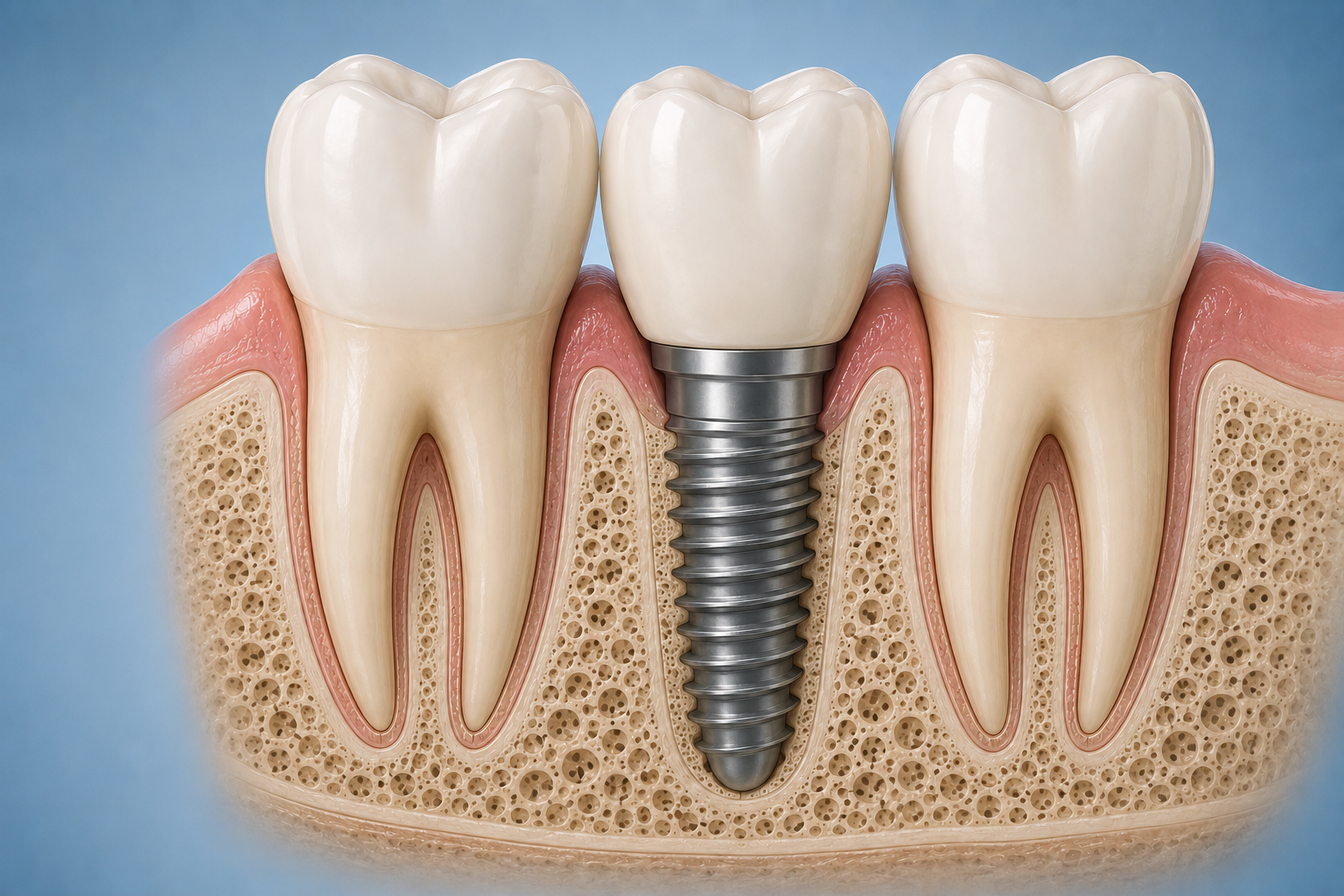
If you've been researching dental implants, you've probably come across the term osseointegration. While it may sound like a complicated medical word, it's actually one of the most important reasons dental implants are considered the gold standard for replacing missing teeth.
Unlike dentures or dental bridges, dental implants don't simply sit on top of the gums or rely on neighboring teeth for support. Instead, they become part of your body through a remarkable biological process called osseointegration. This process allows the implant to fuse with your jawbone, creating a stable foundation that functions much like a natural tooth root.
The success of modern dental implants depends heavily on osseointegration. In fact, research shows that dental implants have a long-term success rate of 95% or higher when placed in appropriate candidates and properly maintained. That level of reliability is possible because the implant and bone work together as one.
Whether you're considering replacing a single missing tooth or restoring an entire smile with All-on-X dental implants, understanding osseointegration can help you feel more confident about your treatment.
What Is Osseointegration?
Osseointegration is the natural biological process in which living bone grows around and bonds directly to the surface of a dental implant.
The word itself comes from two Latin roots:
- Osseo = bone
- Integration = to become part of
Simply put, osseointegration means the implant becomes securely anchored within your jawbone.
Unlike removable dentures that rest on top of the gums, dental implants are surgically placed into the jawbone where the roots of your natural teeth once existed. After placement, your body begins healing by generating new bone cells around the implant surface. Over time, these bone cells lock onto the implant, creating an exceptionally strong and stable connection.
This biological attachment is what allows dental implants to:
- Stay firmly in place
- Handle normal chewing forces
- Support replacement teeth
- Prevent movement while speaking or eating
- Function similarly to natural tooth roots
Without successful osseointegration, an implant cannot provide the stability needed for long-term success.
Why Titanium Is Used for Dental Implants
One reason dental implants are so successful is the material they're made from.
Most modern dental implants are fabricated from medical-grade titanium, a metal known for its exceptional biocompatibility.
Titanium offers several advantages:
- Accepted by the body with minimal risk of rejection.
- Naturally encourages bone attachment.
- Incredibly strong yet lightweight.
- Resists corrosion inside the mouth.
- Has decades of proven clinical success.
Scientists first discovered titanium's unique ability to bond with living bone in the 1950s, and it has transformed implant dentistry ever since.
Many implants also feature specially textured surfaces that increase the available area for bone cells to attach, helping improve healing and long-term stability.
How Does Osseointegration Work?
Osseointegration doesn't happen overnight. It's a gradual healing process that occurs over several weeks and months after implant placement.
Here's what typically happens.
Step 1: Implant Placement
During implant surgery, your dentist or oral surgeon carefully places the titanium implant into the jawbone.
Although this may sound intimidating, the procedure is performed under local anesthesia or sedation, making it much more comfortable than many patients expect.
The implant immediately achieves what's called primary stability, meaning it is mechanically secure within the bone.
Step 2: Early Healing
During the first few weeks, your body begins repairing the surgical site.
Blood vessels form around the implant while specialized bone-building cells called osteoblasts migrate to the area.
These cells begin producing new bone tissue around the implant surface.
Step 3: Bone Growth
As healing continues, new bone gradually replaces the temporary healing tissue.
This new bone wraps tightly around the microscopic surface of the implant, creating an increasingly strong connection.
The implant becomes progressively more stable as more bone develops.
Step 4: Complete Integration
Eventually, the implant and surrounding bone become firmly connected.
Once your dentist confirms successful osseointegration, the implant is ready to support:
At this point, the implant is functioning much like a natural tooth root.
How Long Does Osseointegration Take?
One of the most common questions patients ask is: "How long does osseointegration take?"
For most patients, osseointegration takes approximately 3 to 6 months.
However, healing time varies depending on several factors, including:
- Overall health
- Bone quality and density
- Smoking habits
- Diabetes management
- Implant location
- Whether bone grafting was needed
For instance, the lower jaw typically has denser bone, allowing implants to integrate somewhat faster. While the upper jaw generally contains softer bone, which may require a slightly longer healing period.
During this healing phase, many patients wear temporary replacement teeth while their implants integrate beneath the gums.
Once healing is complete, the final restoration can be attached.
Why Is Osseointegration So Important?
Osseointegration is the foundation of everything that makes dental implants successful.
Without it, implants cannot properly support replacement teeth.
Here are some of the biggest benefits.
1. Provides Exceptional Stability
One of the biggest advantages of dental implants is that they don't move.
Unlike traditional dentures that require adhesives and can slip while eating or speaking, integrated implants remain securely anchored in the jaw.
Patients can often enjoy foods like steak, apples, corn on the cob, nuts, and crunchy vegetables without worrying about their teeth shifting.
2. Preserves Jawbone Health
Perhaps the greatest long-term benefit of osseointegration is its ability to help preserve your jawbone.
After tooth loss, the jawbone no longer receives stimulation from the missing tooth root. As a result, the bone begins shrinking - a process known as bone resorption.
Research shows that up to 50% of the width of the alveolar ridge can be lost during the first 12 months after tooth extraction, with the greatest changes occurring in the first few months.
Because dental implants integrate directly with the bone, they restore the stimulation normally provided by natural tooth roots.
This helps:
- Slow bone loss
- Preserve facial structure
- Support neighboring teeth
- Maintain a stronger jaw over time
3. Creates Long-Term Durability
Dental implants are designed to last for decades.
When properly maintained, many implants remain successful for 20 years or longer and often for a lifetime. That longevity depends on successful osseointegration.
A stable implant foundation helps reduce the risk of loosening or failure while providing dependable support for replacement teeth.
4. Improves Chewing Function
People with removable dentures often experience reduced bite force. Implant-supported teeth restore much greater chewing efficiency.
Research has shown that implant-supported restorations significantly improve chewing performance compared to conventional dentures, allowing patients to enjoy a wider variety of nutritious foods.
This can positively impact:
- Nutrition
- Digestion
- Overall health
- Confidence while eating
5. Creates a More Natural Feel
Because implants are anchored within the jawbone, they feel much more like natural teeth. Many patients eventually forget which tooth is the implant because it functions so naturally during everyday activities.
What Can Affect Osseointegration?
Although dental implants have extremely high success rates, several factors can influence healing.
1. Smoking
Smoking is one of the biggest risk factors for implant complications.
Nicotine restricts blood flow to the gums and jawbone, reducing the oxygen and nutrients needed for proper healing. This can slow the osseointegration process and increase the likelihood of implant failure.
Patients who stop smoking before and after implant surgery often experience significantly better healing and long-term success.
2. Uncontrolled Diabetes
Poorly controlled diabetes can delay healing and increase the risk of infection following implant surgery. However, patients with well-managed diabetes are often excellent candidates for dental implants.
Maintaining healthy blood sugar levels before and during recovery plays an important role in supporting successful osseointegration.
3. Poor Oral Hygiene
While dental implants cannot develop cavities, the gums and bone surrounding them can still become infected.
Daily brushing, flossing, and regular professional cleanings help remove harmful bacteria and keep the tissues supporting your implant healthy for years to come.
4. Insufficient Bone
Some patients experience significant bone loss before seeking treatment, particularly after living with missing teeth for many years.
Fortunately, procedures such as bone grafting or advanced implant techniques can often rebuild or maximize available bone, making dental implants possible for many patients who may have previously been told they were not candidates.
5. Certain Medical Conditions and Medications
Certain health conditions or medications that affect bone metabolism may influence how well an implant heals.
Before recommending treatment, your dental team will carefully review your medical history, medications, and overall health to develop the safest and most predictable treatment plan.
How Can You Support Successful Osseointegration?
While much of the healing process happens naturally, there are several things patients can do to promote successful implant integration.
1. Follow Your Post-Operative Instructions
Your implant dentist will provide detailed instructions regarding medications, diet, oral hygiene, and activity restrictions. Following these guidelines carefully gives your implants the best opportunity to heal properly.
2. Eat a Soft Diet During Healing
During the early stages of recovery, it's important to avoid placing excessive pressure on your new implants. Eating soft foods helps protect the surgical site while your jawbone forms a strong bond with the implant.
3. Maintain Excellent Oral Hygiene
Keeping your mouth clean reduces bacteria around the surgical site and supports healthy healing. Gentle brushing, flossing (or other recommended cleaning aids), and any prescribed antimicrobial rinses can help prevent complications during recovery.
4. Attend All Follow-Up Appointments
Regular follow-up visits allow your dentist to monitor your healing, evaluate the progress of osseointegration, and address any concerns before they become larger problems.
5. Avoid Tobacco Products
If you smoke or use other tobacco products, quitting before and after implant surgery can significantly improve blood flow, reduce complications, and increase the likelihood of successful osseointegration.
6. Prioritize Your Overall Health
Healthy healing depends on more than just your mouth. Managing medical conditions such as diabetes, eating a nutritious diet, staying hydrated, getting enough sleep, and following your healthcare provider's recommendations all contribute to successful bone healing and long-term implant stability.
Why Choosing an Experienced Implant Provider Matters
Successful osseointegration begins long before the implant is ever placed.
Proper treatment planning is essential to achieving predictable, long-lasting results.
An experienced implant provider uses advanced technology to evaluate:
- Bone quality and quantity
- Bite alignment
- Implant positioning
- Overall oral health
- Long-term treatment goals
At Stubbs Dental, we use advanced digital imaging and comprehensive treatment planning to place implants with precision. Every patient receives a thorough evaluation to determine candidacy and a personalized treatment plan designed to support successful healing and long-term function.
Whether you need a single dental implant or a full-arch restoration with All-on-X dental implants, careful planning by an expert team helps maximize the chances of successful osseointegration and long-lasting results.
Schedule Your Complimentary Dental Implant Consultation
If you're living with missing teeth, loose dentures, or failing dental work, dental implants may be the permanent solution you've been looking for.
At Stubbs Dental, our experienced team uses advanced digital technology and personalized treatment planning to help patients achieve healthy, lasting smiles with dental implants.
Schedule your complimentary dental implant consultation today. We'll evaluate your oral health, answer your questions, and determine whether you're a candidate for dental implants so you can take the first step toward restoring your smile with confidence.
