
.png?width=300&height=74&name=logo%20cropped%20(2).png "logo cropped (2)")
How Dental Implants Help Prevent Jawbone Loss
-3.jpg)
Most people think of missing teeth as primarily a cosmetic issue. But what many don’t realize is that tooth loss can also lead to a serious oral health problem known as jawbone loss.
When a tooth is lost, the jawbone underneath it no longer receives the stimulation it once did from the tooth root. Over time, this can cause the bone to shrink and deteriorate, affecting not only oral health but also facial appearance, chewing ability, and long-term dental function.
Approximately 178 million Americans are missing at least one tooth, and around 40 million are missing all of their teeth. Unfortunately, many people are unaware that tooth loss and bone loss are closely connected.
The good news is that modern dentistry offers a long-term solution. Dental implants are one of the only tooth replacement options that can help stimulate and preserve the jawbone after tooth loss.
What Is Jawbone Loss?
Jawbone loss, also called bone resorption, occurs when the jawbone begins to shrink or deteriorate over time.
Your jawbone is living tissue that requires regular stimulation to maintain its strength and density. Natural tooth roots play an important role in this process by stimulating the jawbone every time you bite or chew.
When teeth are lost, that stimulation disappears.
Without the pressure and stimulation provided by tooth roots, the body begins to break down and reabsorb the unused bone tissue. This process can begin surprisingly quickly after tooth loss.
Research published by the National Institutes of Health has shown that patients can lose a significant amount of jawbone width and height within the first year after tooth extraction.
What Causes Jawbone Loss?
While missing teeth is one of the most common causes of bone loss, it is not the only factor. Several conditions and habits can contribute to the deterioration of the jawbone over time.
1. Tooth Loss
The most common cause of jawbone loss is missing teeth.
Once a tooth is removed or lost, the jawbone underneath no longer receives stimulation from the tooth root. Over time, the body begins reabsorbing the bone in that area because it is no longer being used.
The longer teeth remain missing, the more bone loss occur.
2. Gum Disease (Periodontal Disease)
Advanced gum disease is another major cause of bone loss.
Periodontal disease is a bacterial infection that damages the gums and supporting bone around the teeth. If left untreated, it can eventually lead to:
- Loose teeth
- Tooth loss
- Bone deterioration
- Changes in facial structure
According to the Centers for Disease Control and Prevention, nearly half of adults aged 30 and older show signs of periodontal disease.
3. Dentures
Many patients are surprised to learn that traditional dentures do not prevent bone loss.
Because dentures sit on top of the gums rather than replacing tooth roots, the jawbone underneath still lacks stimulation. In fact, some research suggests dentures may accelerate certain aspects of bone loss due to pressure placed on the gums during chewing.
Over time, this can lead to:
- Loose-fitting dentures
- Facial sagging or a “sunken” appearance
- Difficulty eating and speaking
- Frequent denture adjustments or replacements
4. Trauma or Injury
Injuries to the mouth or jaw can damage the bone and surrounding structures, potentially contributing to bone loss if treatment is delayed or teeth are lost.
5. Smoking and Certain Medical Conditions
Smoking, uncontrolled diabetes, osteoporosis, and other health conditions can also affect bone health, increasing the risk of bone deterioration over time.
Why Jawbone Loss Matters
Bone loss affects far more than just the jaw itself.
As the jawbone shrinks, it can create a chain reaction of oral health and cosmetic concerns that worsen over time.
1. Changes in Facial Appearance
One of the most noticeable effects of bone loss is changes in facial structure.
The jawbone helps support the cheeks, lips, and overall shape of the face. When bone deteriorates, patients may notice:
- A sunken or collapsed facial appearance
- Wrinkling around the mouth
- Thinner lips
- Sagging facial features
- Premature aging
2. Difficulty Eating and Speaking
Bone loss can also affect the stability of teeth or dentures, making it harder to:
- Chew certain foods
- Speak clearly
- Bite comfortably
- Maintain proper oral function
For denture wearers, ongoing bone loss often causes dentures to loosen and shift during daily activities.
3. Reduced Candidacy for Future Treatment
Severe bone loss can make future dental treatment more complex.
Some patients may require additional procedures, such as bone grafting, before becoming candidates for dental implants. This is one reason early treatment after tooth loss is often encouraged whenever possible.
How Dental Implants Help Prevent Bone Loss
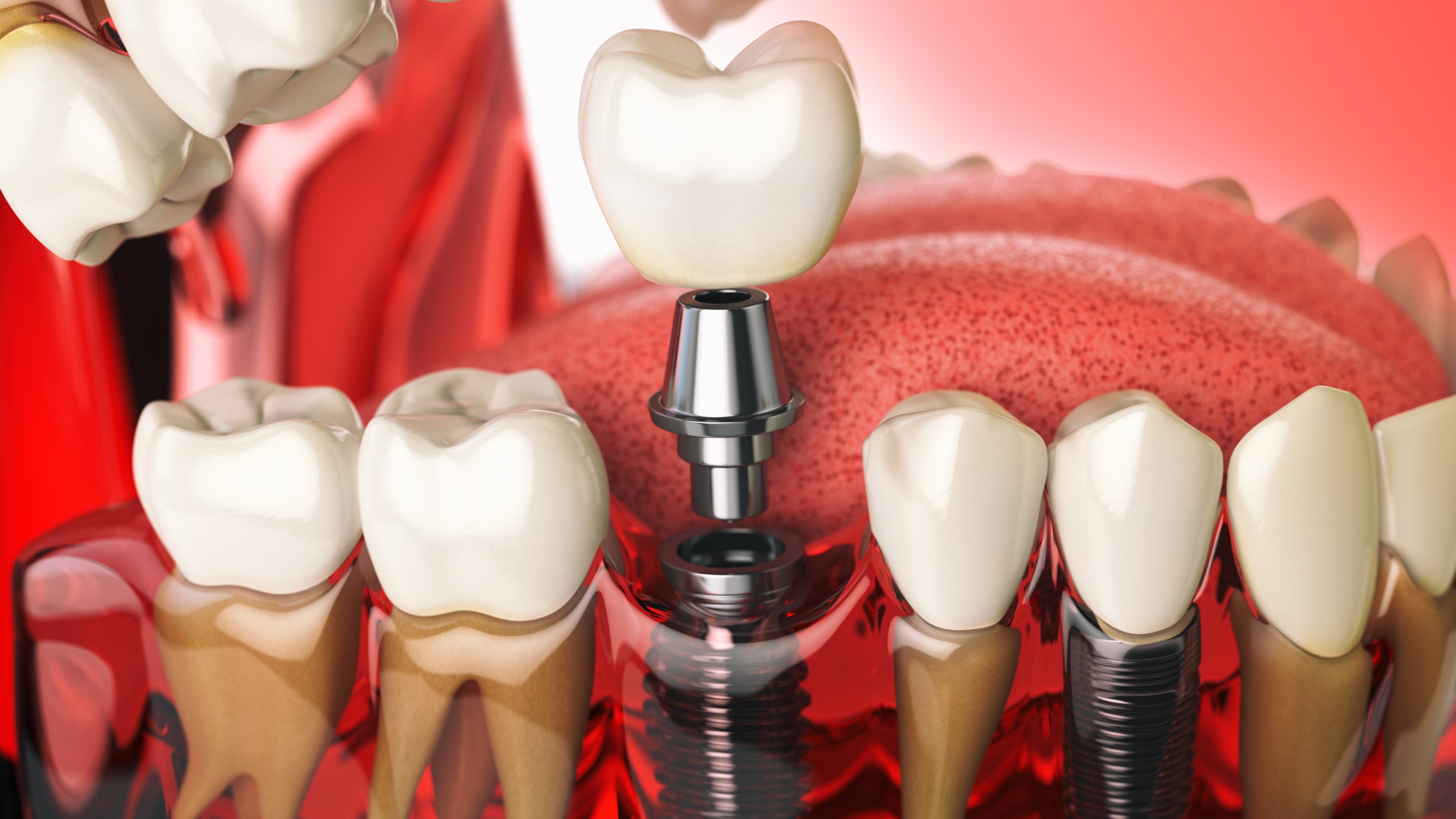
Dental implants are unique because they do more than simply replace the visible portion of missing teeth. They also replace the function of the tooth root beneath the gums.
A dental implant is a small titanium post surgically placed into the jawbone. Once healed, the implant integrates with the bone through a process called osseointegration.
This integration allows the implant to stimulate the jawbone similarly to a natural tooth root.
Why Stimulation Matters
Every time you chew or bite, gentle pressure is transferred through the implant into the jawbone. This stimulation signals the body to continue maintaining bone density in the area.
Unlike dentures or traditional bridges, dental implants help reduce the bone deterioration that commonly follows tooth loss.
What Are All-on-X Dental Implants?
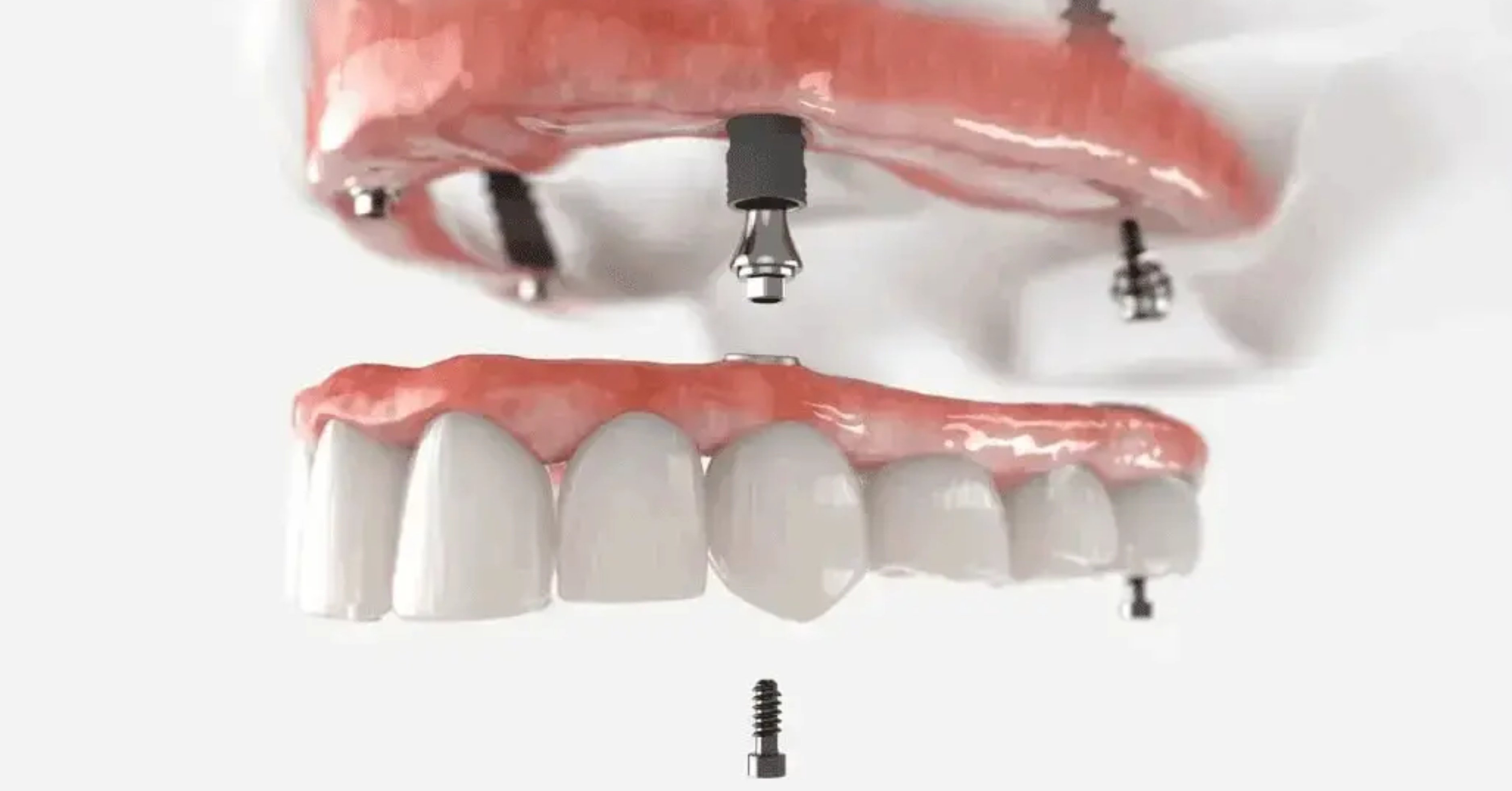
For patients missing most or all of their teeth, All-on-X dental implants offer a full-mouth restoration solution designed to restore both function and aesthetics.
All-on-X uses a series of strategically placed dental implants to support a full arch of teeth.
Unlike traditional dentures, All-on-X restorations are fixed in place and designed to feel much more secure and natural.
Because the implants stimulate the jawbone, All-on-X can help support long-term bone health in ways traditional dentures cannot.
Can You Still Get Dental Implants If You Already Have Bone Loss?
Many people assume they are no longer candidates for dental implants if they have experienced bone loss or worn dentures for years. Fortunately, that is not always the case.
Advancements in implant dentistry and modern treatment planning have made it possible for many patients with bone loss to still qualify for dental implants.
Depending on the severity of bone loss, treatment may involve:
- Specialized implant placement techniques
- Additional procedures to improve bone support
- Customized full-mouth restoration planning
At Stubbs Dental, our team uses advanced digital imaging and personalized treatment planning to evaluate each patient’s bone structure and determine the best solution for their needs.
Even if you’ve been told you are not a candidate in the past, it is still worth exploring your options.
Signs You May Be Experiencing Jawbone Loss
Many patients do not realize bone loss is occurring until noticeable symptoms develop.
Common signs of jawbone loss may include:
- Loose teeth
- Receding gums
- Facial sagging or collapse
- Difficulty chewing
- Changes in bite alignment
- Increased wrinkles around the mouth
If you are experiencing any of these symptoms, it is important to schedule an evaluation with a dental professional.
Why Early Treatment Matters
Bone loss is progressive, meaning it typically worsens over time if left untreated.
Seeking treatment earlier can help:
- Preserve more bone structure
- Improve future treatment options
- Reduce complexity of care
- Support long-term oral health outcomes
For many patients, replacing missing teeth sooner rather than later can make a significant difference in preserving both oral function and facial structure.
Schedule Your Complimentary Consultation
If you are missing teeth, struggling with dentures, or concerned about jawbone loss, our team is here to help!
Schedule your complimentary consultation today and learn how dental implants can help preserve your jawbone, restore your smile, and improve your quality of life.
