

Swollen Gums Around One Tooth: What Could Be Causing It?
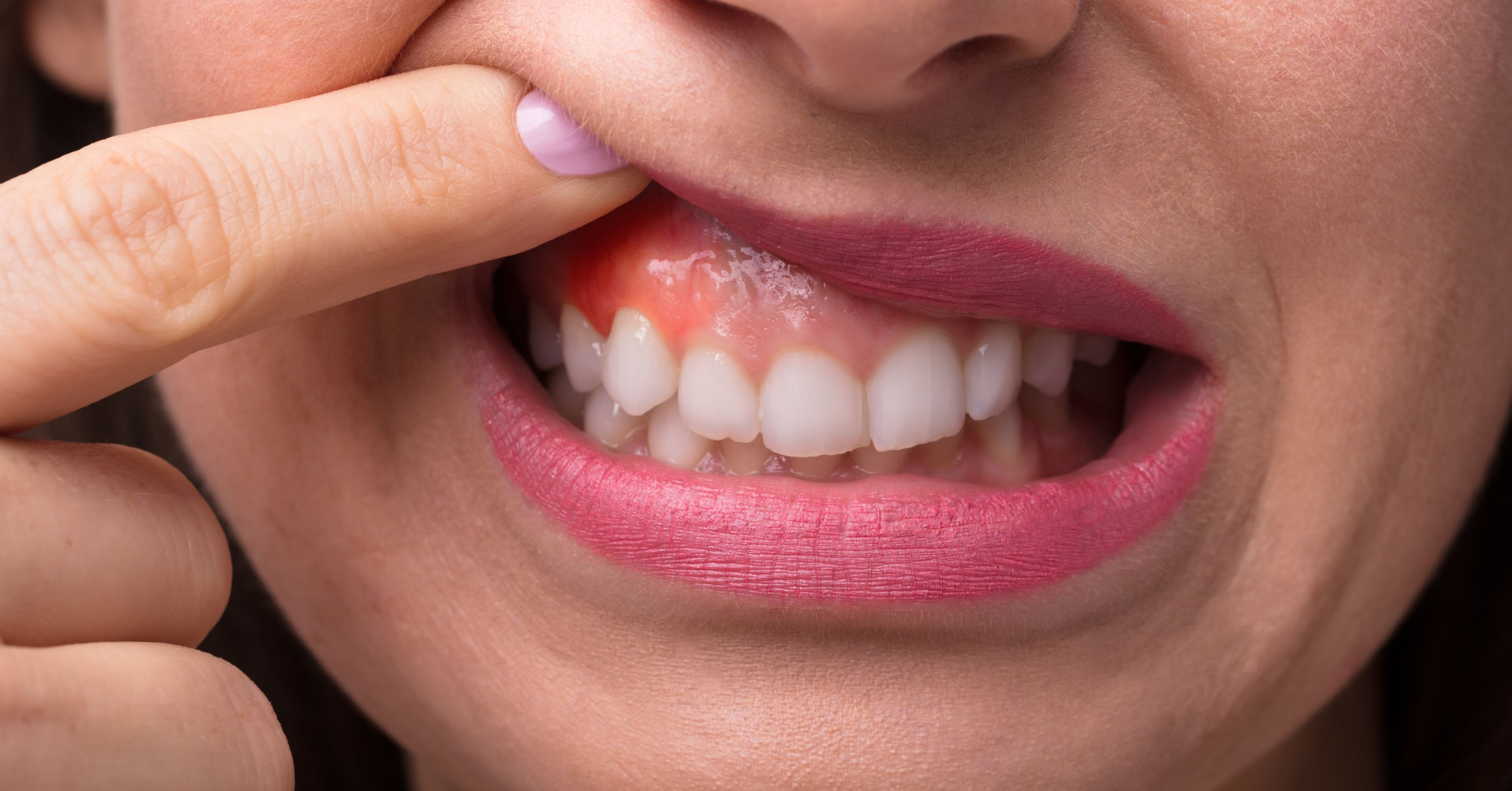
Swollen gums around one tooth can be caused by something as simple as trapped food or irritation, but they can also be a sign of gum disease, tooth decay, or an infection.
You might notice the swelling while brushing your teeth, flossing, or looking in the mirror. The gum around one tooth may look red, puffy, or irritated while the rest of your gums seem completely normal. So why is just one area swollen?
Localized gum swelling can happen for several reasons, and the cause isn't always obvious. While minor irritation may resolve on its own, persistent swelling, pain, bleeding, or tenderness can be a sign that the tooth or surrounding gums need professional attention.
The good news is that many causes of swollen gums can be successfully treated, especially when they're identified early.
What Do Swollen Gums Look and Feel Like?
Healthy gums are generally firm and fit snugly around your teeth. When gum tissue becomes inflamed or irritated, however, you may notice a change in its appearance or how it feels.
Symptoms accompanying swollen gums may include:
- Red or darker-than-usual gum tissue
- Puffiness around the tooth
- Tenderness or soreness
- Bleeding while brushing or flossing
- Sensitivity when touching the area
- Pain when biting or chewing
- Persistent bad breath
- A bad taste in your mouth
- Gum tissue pulling away from the tooth
- A bump or pimple-like spot on the gum
- Tooth sensitivity or toothache
The symptoms you experience can sometimes provide clues about what's causing the swelling. However, because several dental conditions can cause similar symptoms, a dental examination is the best way to determine the underlying cause.
Why Is My Gum Swollen Around One Tooth?
When swelling is limited to one area of your mouth, the problem may be related to that particular tooth or the surrounding gum tissue.
Here are some of the most common reasons you might develop a swollen gum around one tooth.
1. Food Stuck Between Your Teeth
Pieces of food can become trapped between your teeth or underneath the gumline, especially in areas that are difficult to clean. Foods such as popcorn kernels, meat fibers, seeds, and other small particles can irritate the surrounding gum tissue.
The area may become:
- Red
- Tender
- Swollen
- Sensitive when flossing
- Uncomfortable when chewing
Carefully flossing between the teeth may remove the trapped debris and allow the irritation to settle down. However, don't aggressively poke or dig at your gums with sharp objects. This can injure the tissue or push debris farther beneath the gumline.
If the swelling persists after cleaning the area, schedule a dental appointment. There may be tartar, decay, gum disease, or another problem contributing to the inflammation.
2. Plaque and Tartar Buildup
Another common cause of swollen gums is plaque buildup around the gumline.
Plaque is a sticky film containing bacteria that continually forms on your teeth. If it isn't regularly removed through brushing and cleaning between your teeth, plaque can irritate the gums and contribute to inflammation.
Over time, plaque that remains on your teeth can harden into tartar, also called calculus. Unlike plaque, tartar cannot be removed with normal brushing and flossing. It requires professional removal by a dentist or dental hygienist. Plaque and tartar contain bacteria that can trigger inflammation and damage the gums and supporting tissues around the teeth.
If buildup is concentrated around one particular tooth, you may notice that the gum in that area becomes swollen or bleeds more easily than the rest of your gums.
3. Gingivitis
Swollen gums can also be an early warning sign of gingivitis, the mildest form of gum disease.
Gingivitis occurs when plaque accumulation triggers inflammation of the gum tissue. Common symptoms include red, swollen, tender, or easily bleeding gums.
Although gingivitis may eventually affect several areas of the mouth, inflammation can sometimes be more noticeable around particular teeth where plaque and tartar have accumulated.
The important thing is not to ignore it.
Gingivitis is reversible and can generally be treated with good oral hygiene and professional dental cleanings. Without proper care, however, gingivitis can progress into a more serious form of gum disease known as periodontitis.
4. Periodontal (Gum) Disease
If inflammation extends deeper beneath the gumline, swollen gums could indicate periodontitis, a more advanced form of gum disease.
As gum disease progresses, the gums can begin pulling away from the teeth and creating deeper spaces known as periodontal pockets. Bacteria can accumulate inside these pockets, contributing to further inflammation and destruction of the tissues and bone supporting the teeth.
Unlike gingivitis, damage caused by periodontitis cannot simply be reversed. However, professional treatment can help slow and manage the condition.
The CDC reports that approximately 4 in 10 U.S. adults age 30 and older had some level of periodontitis.
Signs of periodontal disease can include:
- Red, swollen, or tender gums
- Gums that bleed easily
- Gum recession
- Persistent bad breath
- Pain while chewing
- Sensitive teeth
- Loose or shifting teeth
Because gum disease can become serious before noticeable symptoms develop, routine dental exams and professional cleanings are important even when your teeth and gums feel fine.
5. A Tooth or Gum Abscess
Swelling concentrated around a single tooth can sometimes indicate an abscess, which requires prompt dental attention.
An abscess is a pocket of pus caused by a bacterial infection. An infection can develop around the root of a tooth or within the tissues surrounding it.
For example, bacteria can enter the inside of a tooth through a deep cavity, crack, or chip, potentially causing infection and inflammation around the root.
Possible symptoms of a dental abscess include:
- Significant or worsening gum swelling
- Severe or throbbing tooth pain
- Pain when biting or chewing
- Sensitivity to hot or cold
- A pimple-like bump on the gum
- Bad breath or an unpleasant taste
- Swelling of the face or jaw
- Fever
- Swollen or tender lymph nodes
An abscess is not something you should wait to see if it improves on its own. An untreated tooth abscess can lead to serious complications if the infection spreads.
If you suspect an abscess, contact a dentist as soon as possible.
6. Tooth Decay
A cavity may not immediately seem related to swollen gums, but tooth decay can sometimes lead to inflammation or infection around a tooth.
As decay progresses deeper into the tooth, bacteria may eventually reach the dental pulp, the soft tissue inside the tooth containing nerves and blood vessels. An infection can then develop and spread toward the root, potentially causing pain and swelling in the nearby gums.
That's another reason why cavities are generally easier to treat when they're detected early.
7. A Cracked or Damaged Tooth
A crack isn't always easy to see from the outside of a tooth.
Depending on its location and severity, a crack or fracture can create an opening through which bacteria enter the inner portion of the tooth. This can eventually lead to inflammation or infection.
You might also notice:
- Pain when biting or releasing your bite
- Sensitivity to temperature
- Intermittent tooth pain
- Swelling around the gumline
- Tenderness near the affected tooth
A dentist can examine the tooth and determine whether a crack, damaged restoration, or another structural issue is contributing to your symptoms.
8. Brushing or Flossing Too Aggressively
Not every swollen gum is caused by infection or disease.
Your gums are soft tissues, and they can become irritated or injured if you brush too aggressively, snap floss against the gums, or repeatedly irritate the same area.
Using a soft-bristled toothbrush and gentle brushing technique can help clean your teeth effectively without unnecessarily traumatizing your gums.
When flossing, gently guide the floss between your teeth rather than snapping it downward. Curve it around the side of each tooth and move it carefully along the tooth surface and gumline.
If you're unsure about your technique, your dental hygienist can show you how to brush and floss more effectively during your next cleaning.
9. Problems With a Filling, Crown, or Other Dental Restoration
Sometimes swelling around one tooth can be associated with an existing dental restoration.
A damaged, loose, or poorly fitting restoration may create areas where food debris and plaque can accumulate. In other cases, decay may develop around or underneath an older restoration.
If you've noticed swelling around a tooth with a filling, crown, bridge, or other dental work, have your dentist evaluate the area rather than assuming the swelling is simply temporary irritation.
What Should I Do If My Gum Is Swollen Around One Tooth?
If you've just noticed mild swelling and aren't experiencing significant pain or other concerning symptoms, focus on keeping the area clean while monitoring it closely.
You can:
- Brush gently twice a day with fluoride toothpaste.
- Carefully floss or clean between the affected teeth.
- Avoid picking at the swollen area with your fingers or sharp objects.
- Continue your normal oral hygiene routine rather than avoiding the area completely.
- Schedule a dental appointment if the swelling doesn't improve, keeps returning, or is accompanied by other symptoms.
Keep in mind that home care may help with minor irritation, but it cannot remove hardened tartar or treat problems such as advanced gum disease, deep decay, or a dental abscess.
When Should I See a Dentist for Swollen Gums?
You don't necessarily need to panic because one area of your gum looks slightly swollen. But you shouldn't ignore persistent or worsening symptoms either.
Consider scheduling a dental examination if:
- The swelling isn't improving.
- The swelling keeps coming back.
- Your gums regularly bleed when brushing or flossing.
- The area is painful or increasingly tender.
- You have tooth sensitivity or a toothache.
- It hurts to chew or bite down.
- You notice pus or a pimple-like bump on your gum.
- You have persistent bad breath or a bad taste in your mouth.
- Your gum appears to be pulling away from the tooth.
- The tooth feels loose or different when you bite.
Seek immediate medical attention if dental swelling is accompanied by difficulty breathing or swallowing, or significant facial or neck swelling.
How Are Swollen Gums Treated?
There isn't one universal treatment for swollen gums because treatment depends on what's causing the inflammation in the first place.
Your dentist may examine your gums and teeth, measure the spaces between your teeth and gums, and take dental X-rays if necessary to identify problems that aren't visible during a routine examination.
Depending on the diagnosis, treatment may include:
-
Professional dental cleaning: If plaque and tartar buildup are contributing to gingivitis, a professional cleaning can remove deposits that can't be removed with brushing at home.
-
Improved oral hygiene: Your dental team may recommend changes to your brushing or flossing routine to better clean areas where plaque tends to accumulate.
-
Scaling and root planing: Patients with periodontal disease may need a deep cleaning called scaling and root planing. This procedure removes plaque and tartar from below the gumline and cleans the root surfaces.
-
Restorative dental treatment: If decay, a damaged filling, or a cracked tooth is responsible, treatment may involve a filling, crown, or another restorative procedure depending on how much healthy tooth structure remains.
-
Root canal treatment: If bacteria have infected the pulp inside a tooth, root canal therapy may be recommended to remove the infected tissue and preserve the tooth when possible.
-
Abscess treatment: A dental abscess may need to be drained and the source of the infection treated. Depending on the situation, treatment may involve a root canal, extraction, and, in certain circumstances, antibiotics.
The most appropriate treatment can only be determined after identifying the cause of the swelling.
Can You Prevent Swollen Gums?
Not every dental problem is preventable, but consistent preventive care can significantly reduce your risk of plaque-related gum inflammation, tooth decay, and gum disease.
A healthy routine should include:
- Brushing twice a day with fluoride toothpaste
- Cleaning between your teeth daily
- Limiting frequent sugary foods and drinks
- Avoiding tobacco products
- Paying attention to changes in your teeth and gums
- Scheduling routine dental exams and professional cleanings
Regular cleanings are especially important because once plaque hardens into tartar, you cannot remove it with a toothbrush or floss at home. It must be removed professionally.
Dental visits also give your dentist and hygienist an opportunity to identify early signs of cavities, gingivitis, periodontal disease, damaged restorations, cracked teeth, and other problems, sometimes before they begin causing noticeable discomfort.
Keep Your Smile Healthy With Routine Dental Care
Changes in your teeth or gums can sometimes be your body's way of letting you know something needs attention. Whether it's swollen or bleeding gums, tooth sensitivity, discomfort when chewing, or something that simply doesn't look or feel normal, it's always worth bringing up with your dentist.
But you don't have to wait until something feels wrong to schedule a visit. Routine dental exams and professional cleanings are an important part of keeping your teeth and gums healthy.
At Stubbs Dental, we provide comprehensive preventive and general dentistry for patients at every stage of their oral health. Whether you're experiencing a dental concern or you're simply due for your next cleaning, our team is here to help you maintain a healthy smile for years to come.
Ready to take care of your smile? Schedule your next dental exam and cleaning with Stubbs Dental today.
