
.png?width=300&height=74&name=logo%20cropped%20(2).png "logo cropped (2)")
Regular Cleaning vs. Deep Cleaning: What's the Difference?
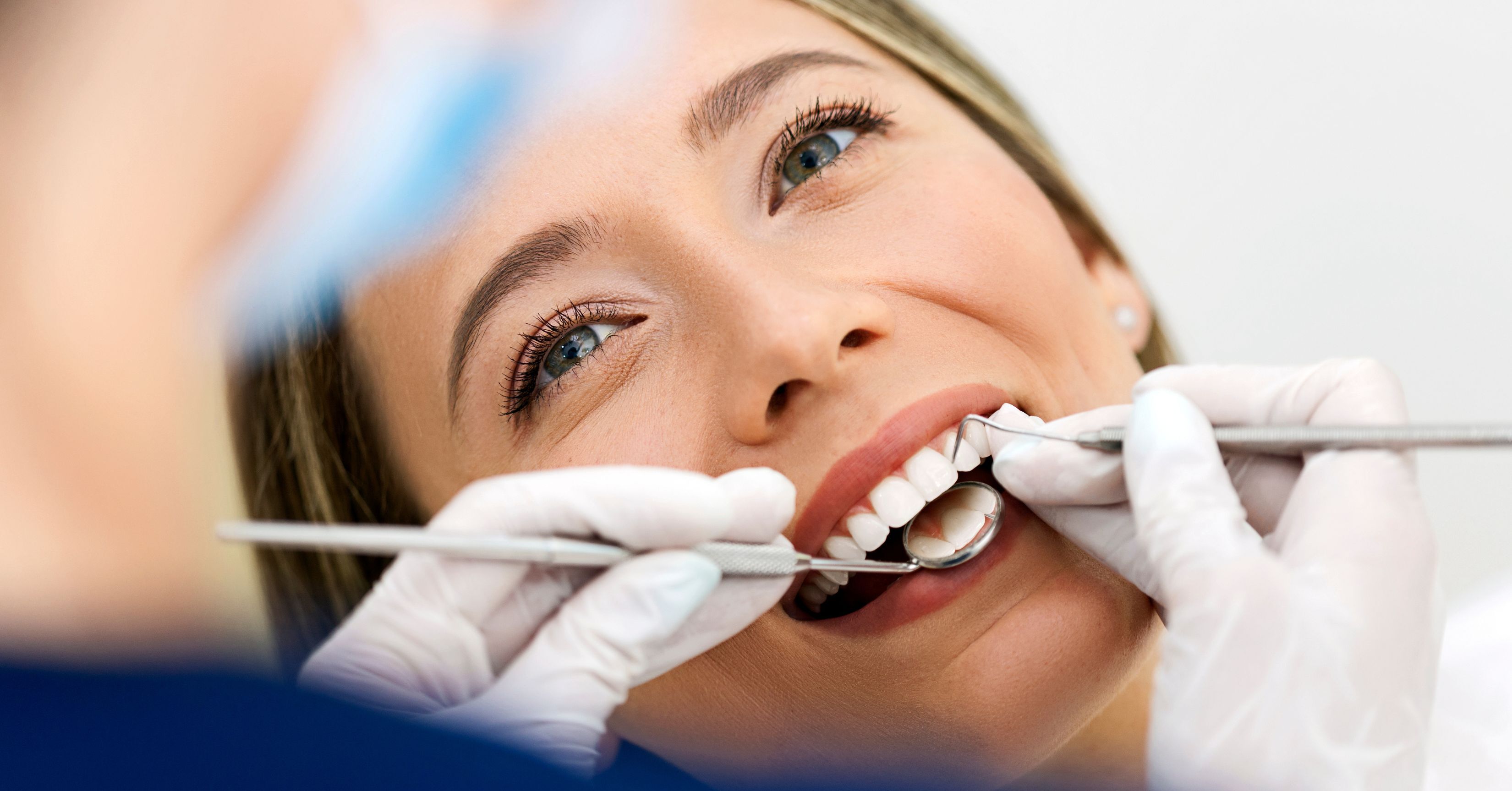
If your dentist tells you that you need a “deep cleaning” instead of a regular dental cleaning, you may wonder: What exactly is the difference? Aren’t all teeth cleanings essentially the same?
Although both treatments remove plaque and tartar from your teeth, a regular cleaning and a deep cleaning serve different purposes. A regular dental cleaning is primarily preventive and is designed to help keep teeth and gums healthy. A deep cleaning, also known as scaling and root planing, is a treatment for patients who have developed gum disease and need cleaning below the gumline.
Understanding the difference is important because gum disease is extremely common, and it doesn’t always cause obvious symptoms in its early stages. According to the Centers for Disease Control and Prevention (CDC), approximately 42% of U.S. adults age 30 and older have some form of periodontitis, and about 8% have severe periodontitis.
So, how do you know which type of cleaning you need? Here’s what separates a regular teeth cleaning from a deep cleaning and why both can play an important role in protecting your oral health.
What Is a Regular Dental Cleaning?
A regular dental cleaning, sometimes called a preventive cleaning or dental prophylaxis, is the type of cleaning most patients are familiar with.
The purpose of a regular cleaning is to remove plaque, tartar, and surface stains that accumulate on your teeth between dental visits. Even when you brush and floss consistently, plaque can remain in areas that are difficult to reach. When plaque isn't adequately removed, it can eventually harden into tartar, also known as calculus.
Once tartar develops, your toothbrush can't simply scrub it away. Regular cleanings help prevent that buildup from contributing to cavities, gingivitis, bad breath, and other oral health problems.
At Stubbs Dental, a typical preventive dental cleaning may include:
- An examination of your teeth and gums to look for signs of cavities, gum inflammation, and other concerns.
- Professional scaling to gently remove plaque and hardened tartar from the teeth and around the gumline.
- Polishing to smooth the surfaces of your teeth and remove certain surface stains.
- Flossing between the teeth to clean areas your toothbrush can't reach.
- Fluoride treatment or rinse when appropriate to help strengthen and protect the enamel.
- Personalized oral hygiene recommendations based on what your dental team notices during your appointment.
Regular dental appointments also give your dental team an opportunity to identify changes in your oral health before they develop into more significant problems.
How Often Do You Need a Regular Dental Cleaning?
You've probably heard the standard recommendation to visit the dentist every six months. For many patients, twice-yearly cleanings are an effective schedule for maintaining healthy teeth and gums.
However, there isn't one cleaning schedule that's right for everyone.
The frequency of dental visits should be based on each patient's individual oral health needs and risk factors. Some people may only need one or two visits each year, while others benefit from more frequent care.
Your dentist may recommend more frequent appointments depending on factors such as:
- Your history of cavities
- The amount of plaque and tartar you tend to develop
- Your gum health
- Your oral hygiene habits
- Smoking or tobacco use
- Certain health conditions
- Previous periodontal disease
- Your individual risk of developing dental problems
The important thing is to follow the cleaning schedule recommended by your dental team rather than waiting until your teeth hurt or you notice a problem.
What Is a Deep Dental Cleaning?
A deep cleaning is different from simply giving your teeth a more thorough version of a regular cleaning.
The clinical term for a deep cleaning is scaling and root planing (SRP). It is a non-surgical periodontal treatment used to treat gum disease by cleaning areas underneath the gumline that cannot be adequately addressed with a regular preventive cleaning.
Periodontal disease occurs when bacteria and inflammation begin affecting the tissues and bone that support your teeth. As the condition progresses, the gums can pull away from the teeth and create spaces called periodontal pockets. Plaque, tartar, and bacteria can accumulate inside these pockets where normal brushing, flossing, and routine cleaning cannot effectively reach them.
That's where scaling and root planing comes in.
What Happens During a Deep Cleaning?
Deep cleaning generally involves two main steps:
1. Scaling
Your dental professional removes plaque and hardened tartar from both above and below the gumline, cleaning down into periodontal pockets and around the roots of affected teeth.
2. Root planing
The root surfaces of the teeth are thoroughly cleaned and smoothed. This removes additional buildup and creates a cleaner surface that allows the gum tissue to heal more effectively around the tooth.
Because scaling and root planing goes deeper beneath the gums than a routine cleaning, local anesthetic may be used to keep you comfortable. Depending on how many areas of the mouth require treatment, the procedure may also be divided into multiple appointments.
How Do You Know If You Need a Deep Cleaning?
You can't always determine whether you need a deep cleaning based on how your mouth feels.
Gum disease can progress without significant pain, which is one reason regular dental examinations are so important.
Your dentist or hygienist will evaluate the health of your gums and measure the spaces between your gums and teeth. They may also use dental X-rays to evaluate the bone supporting your teeth.
Signs that could indicate gum disease include:
- Gums that bleed easily when brushing or flossing
- Red, swollen, or tender gums
- Persistent bad breath
- Gum recession or teeth that appear longer
- Visible tartar buildup
- Deep pockets between the teeth and gums
- Changes in your bite
- Loose or shifting teeth
- Bone loss visible on dental X-rays
Bleeding gums, for example, can be an early sign of gingivitis and shouldn't simply be considered normal.
Your dentist will consider your gum measurements, inflammation, tartar buildup, X-rays, and overall periodontal health before determining whether a routine cleaning is appropriate or whether you need scaling and root planing.
Why Can't I Just Get a Regular Cleaning Instead?
If you've been told you need a deep cleaning, you may wonder why your dental team can't simply perform a regular cleaning instead.
The answer comes down to where the disease is located.
A preventive cleaning is appropriate when the gums are generally healthy, and there isn't significant periodontal disease beneath the gumline. But once bacteria and tartar have accumulated inside deeper periodontal pockets, those areas need to be treated directly.
When gum disease is caught early and hasn't damaged the structures below the gumline, a professional cleaning may be sufficient. However, when periodontal pockets become too deep, scaling and root planing may be necessary.
Leaving that buildup untreated allows periodontal disease to continue damaging the tissues and bone that hold your teeth in place.
What Happens If Gum Disease Isn't Treated?
Early gum inflammation, known as gingivitis, can generally be reversed with improved oral hygiene and professional dental care.
Periodontitis is different.
Once gum disease progresses to periodontitis and begins destroying the tissues and bone supporting the teeth, the damage isn't simply reversed by brushing more often. Periodontitis is a chronic condition that needs to be professionally treated and managed.
Without treatment, periodontal disease can contribute to:
- Continued gum recession
- Increasingly deep periodontal pockets
- Chronic inflammation
- Bone loss around the teeth
- Loose or shifting teeth
- Difficulty chewing
- Tooth loss
In fact, the CDC identifies periodontitis and tooth decay as the two leading causes of tooth loss.
Gum Disease Can Affect More Than Your Mouth
Periodontal disease isn't only a concern for your teeth and gums. Your oral health and overall health are closely connected.
When periodontal disease is present, the gums become chronically inflamed and may bleed more easily. Bacteria from areas of periodontal infection can enter the bloodstream, particularly through inflamed or ulcerated gum tissue. This can trigger inflammatory responses elsewhere in the body.
Research has found associations between periodontal disease and several systemic health conditions, including cardiovascular disease and diabetes. The relationship can also work in both directions in some cases. For example, diabetes can increase a person's risk of developing periodontal disease and make the condition more difficult to manage.
This doesn't mean that gum disease directly causes every condition with which it has been associated. However, the connection between oral inflammation, bacteria, and systemic health is another important reason not to ignore persistent gum disease.
Treating periodontal disease and keeping bacterial buildup under control can help protect your teeth and gums while supporting your overall health. Your mouth is the gateway to your body, which makes maintaining healthy gums an important part of maintaining your health as a whole.
What Happens After a Deep Cleaning?
Completing scaling and root planing doesn't mean periodontal care is finished.
Your dentist will typically evaluate how your gums respond to treatment. Pocket depths may be measured again to determine whether inflammation has decreased and the gums are healing appropriately.
You may then be placed on a periodontal maintenance schedule.
Periodontal maintenance is different from a standard preventive cleaning. It is ongoing care specifically designed for someone with a history of periodontal disease. These appointments help control bacterial buildup and reduce the risk of the disease progressing or returning.
At Stubbs Dental, periodontal maintenance is one of the services we provide as part of ongoing gum disease management.
Protect Your Smile With Regular Dental Care
Whether you need a routine cleaning or treatment for gum disease, professional dental care is one of the simplest ways to protect your smile for the future.
At Stubbs Dental, we offer comprehensive dental cleaning and periodontal care at our locations in Layton, Bountiful, Murray, and Lehi. Whether it's been six months since your last cleaning or several years since you've been to the dentist, our team is here to help you understand the current health of your smile and determine the right next step without judgment.
Ready to get your oral health back on track? Schedule your dental cleaning with Stubbs Dental today and let our team help you keep your teeth and gums healthy for years to come.
