
.png?width=300&height=74&name=logo%20cropped%20(2).png "logo cropped (2)")
How Oral Health Issues Can Trigger Chronic Sinus Problems

Chronic sinus issues are incredibly common, affecting more than 28.9 million adults in the United States every year. Sinus infections can cause pressure, congestion, headaches, and even tooth pain. But what many people don’t realize is that dental problems are often a hidden cause of chronic sinus symptoms.
Because the upper teeth sit directly below the maxillary sinuses, issues such as tooth infections, gum disease, or complications from previous dental work can spread upward, creating inflammation, pressure, and repeated infections that don’t seem to go away.
In this article, we’ll break down how oral health and sinus problems are related, which dental issues can trigger sinus infections, how to tell the difference between sinus pain and dental pain, and what treatment options are available. If you’ve been dealing with sinus pressure that never seems to improve, your teeth may be part of the problem.
What Is a Sinus Infection?
A sinus infection—also called sinusitis—occurs when the tissue lining the sinuses becomes inflamed or infected. The sinuses are four small air-filled spaces in your skull that help filter air, produce mucus, and keep your nasal passages moist.
When these spaces become blocked, bacteria can grow, leading to infection.
Sinusitis can be categorized into:
-
Acute sinusitis: Lasts less than 4 weeks
-
Subacute sinusitis: Lasts 4–12 weeks
-
Chronic sinusitis: Lasts longer than 12 weeks
-
Recurrent sinusitis: Several episodes throughout the year
Chronic sinusitis is the type most likely to be linked to dental problems.
Symptoms of a Sinus Infection
Sinus infections can range from inconvenient to debilitating. Common symptoms include:
-
Facial pain and pressure
-
Nasal congestion
-
Post-nasal drip
-
Tooth pain, usually in the upper back molars
-
Headaches
-
Thick yellow or green mucus
-
Reduced sense of smell
-
Fever (less common in chronic cases)
One important thing to note: tooth pain caused by sinus infections typically affects more than one tooth and often gets worse when you bend over. This is because the pressure in the maxillary sinus shifts.
How the Teeth and Sinuses Are Connected
The roots of the upper back teeth, especially the premolars and molars, are separated from the maxillary sinus by only a thin layer of bone. In some people, the roots even extend into the sinus cavity.
Because of this close anatomical relationship, problems in one area can directly affect the other.
What Is Odontogenic Sinusitis?
Odontogenic sinusitis refers to sinus infections that originate from a dental issue. Research shows that up to 40% of chronic maxillary sinusitis cases are caused by dental problems.
Often, patients don’t suspect a dental source because sinus symptoms seem unrelated to their teeth. Yet resolving the dental issue frequently leads to relief.
Dental Issues That Can Trigger Sinus Problems
Several oral health issues can contribute to chronic sinus infections. Understanding these helps explain why sinus symptoms sometimes persist until dental treatment is completed.
1. Tooth Infections (Abscesses)
A tooth infection occurs when bacteria reach the inner pulp of a tooth. If left untreated, the infection can spread from the tooth root into the maxillary sinus.
Common signs of a tooth abscess include:
-
Throbbing or persistent tooth pain
-
Sensitivity to hot or cold
-
Gum swelling
-
A bad taste or smell
-
Pain radiating to the ear, jaw, or sinuses
The Journal of Endodontics reports that dental infections are one of the most common causes of one-sided sinusitis.
2. Gum Disease (Periodontitis)
Gum disease is a bacterial infection of the tissues surrounding the teeth. Severe periodontitis can cause inflammation around the roots of the upper teeth, which can irritate the sinus lining.
The CDC estimates that nearly 47% of adults over age 30 have some form of gum disease, making it a widespread contributor to sinus problems.
3. Cavities in Upper Back Teeth
When cavities reach deep into a tooth, bacteria and inflammation can spread toward the sinus cavity. This is particularly common in teeth with:
-
Old fillings
-
Large restorations
-
Cracks or fractures
Even if the cavity hasn’t yet caused a full infection, the inflammation alone can irritate the sinus.
4. Issues After Tooth Extraction
Removing an upper molar can sometimes create a small opening between the mouth and the sinus called an oroantral communication (OAC). If it doesn’t heal properly, bacteria can pass into the sinus cavity.
Signs of this complication include:
-
Air escaping through the extraction site
-
Fluid leaking between the mouth and nose
-
Persistent congestion
Dentists can repair this with a minor surgical procedure.
5. Failed Root Canals or Previous Dental Work
Persistent infection beneath a previously treated tooth can spread upward into the sinus. This may occur if:
-
A root canal was incomplete
-
A crown leaks
-
A filling cracks
-
A tooth fractures under an old restoration
A study found that failed dental procedures contribute to around 20% of odontogenic sinusitis cases.
6. Dental Implant Complications
Dental implants placed in the upper jaw must be carefully positioned to avoid compromising the sinus cavity. Problems can occur if:
-
There isn’t enough bone beneath the sinus
-
The sinus membrane is perforated
-
Infection develops around the implant
This is why many patients require a sinus lift before getting implants, especially in the upper back jaw.
How to Tell the Difference Between Sinus Pain and Tooth Pain
Because sinus pressure often radiates downward, it can mimic dental pain.
Signs Tooth Pain Is Coming From the Sinus
-
Pain affects multiple upper teeth
-
Pain worsens when bending over
-
Congestion, drainage, or pressure is present
-
Teeth feel “achy” instead of sharp
Signs the Pain Is Dental
-
Pain is centered on one specific tooth
-
Sensitivity to hot, cold, or biting pressure
-
Pain continues even after sinus symptoms improve
-
Gum swelling or an abscess is visible
A dental exam with X-rays or a CBCT scan is the fastest way to determine the cause.
Treatment Options for Dental-Related Sinus Problems
If a dental issue is causing sinus infections, treating the sinus alone won’t solve the problem. Instead, the underlying oral health condition must be addressed.
1. Treating Tooth Infections
Treatment may include:
-
Root canal therapy
-
Antibiotics (in specific cases)
-
Extraction of a non-salvageable tooth
-
Abscess drainage
Once the infected tooth is treated, sinus symptoms often improve quickly.
2. Treating Gum Disease
Periodontal therapy may involve:
-
Scaling and root planing (deep cleaning)
-
Antibacterial medications
-
Laser treatment
-
Gum surgery (for advanced cases)
Improving gum health reduces bacterial spread to the sinus.
3. Repairing Oroantral Communications
Small surgical procedures can correct openings between the mouth and sinus, preventing further infections.
4. Correcting Failed Dental Work
This may include:
-
Retreatment of a root canal
-
Replacement of old crowns or fillings
-
Extraction of compromised teeth
Correcting the source of infection allows the sinus to heal.
5. Sinus Lift or Bone Grafting (For Implant Patients)
If there is insufficient bone beneath the sinus, a sinus lift can create the ideal foundation for an implant.
When to See a Dentist for Sinus Issues
You should visit a dentist if:
-
Your sinus symptoms affect only one side
-
You have repeated sinus infections
-
Tooth pain doesn’t go away after sinus treatment
-
You notice swelling around a single tooth
-
You’ve had recent dental work near the upper molars
-
You have untreated cavities or gum disease
Dentists and ENT doctors often collaborate, but a dental evaluation is essential when sinus issues may be odontogenic.
How to Reduce Your Risk of Dental-Related Sinus Problems
You can protect both your oral and sinus health by:
-
Brushing twice daily
-
Flossing once a day
-
Maintaining regular dental cleanings
-
Treating cavities early
-
Replacing failing restorations
-
Seeking dental care at the first sign of pain
Healthy teeth are a strong defense against chronic sinus issues.
Don’t Ignore Sinus Symptoms
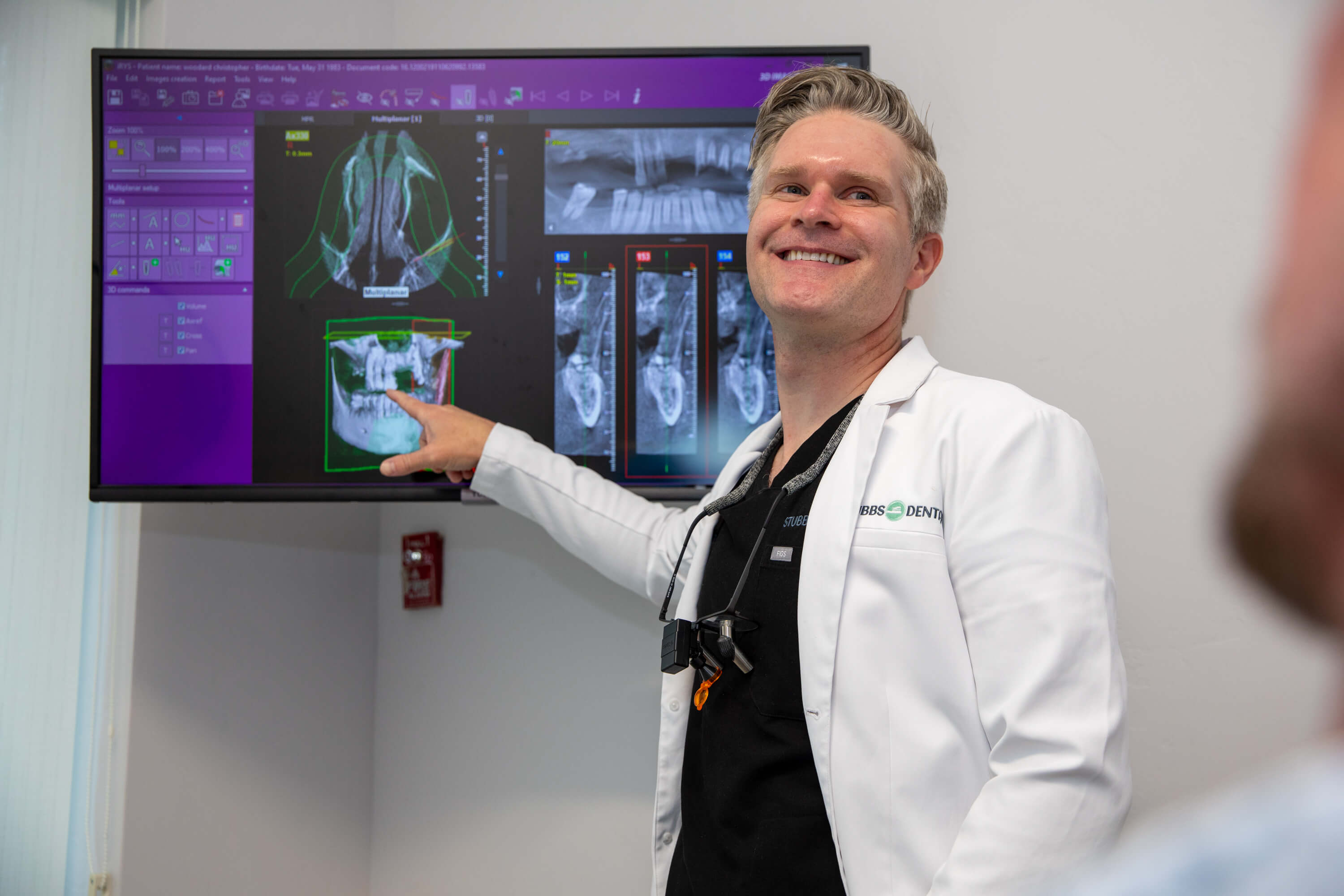
Sinus infections are frustrating, especially when they keep returning. If you’ve tried traditional sinus treatments without success, your teeth may be the underlying cause. Dental infections, gum disease, or complications from past dental work can all trigger chronic sinus problems, and addressing the oral health issue is often the key to long-term relief.
At Stubbs Dental, our team uses advanced imaging and expert diagnostics to uncover the true source of your symptoms and create a personalized treatment plan just for you. If you’re experiencing persistent sinus pressure, upper tooth pain, or ongoing congestion, schedule a consultation today! We’re here to help you feel better, breathe easier, and enjoy a healthier smile.
